
Water has always been a critical resource for agricultural and horticultural production. Today, however, changing climatic conditions and increasing pressure on natural resources are making efficient irrigation more important than ever.
Across Europe, growers are experiencing more frequent periods of drought, prolonged heat waves and increasingly unpredictable rainfall patterns. These developments create significant challenges for crop management and highlight the need for resilient production systems.
Plants depend on adequate water availability for growth, nutrient uptake and physiological processes. Water shortages can reduce crop quality and productivity, while excessive irrigation may waste resources and contribute to environmental impacts.
Finding the right balance is becoming increasingly difficult as weather conditions become more variable. Traditional irrigation practices based primarily on experience remain valuable but can often be complemented by new sources of information.
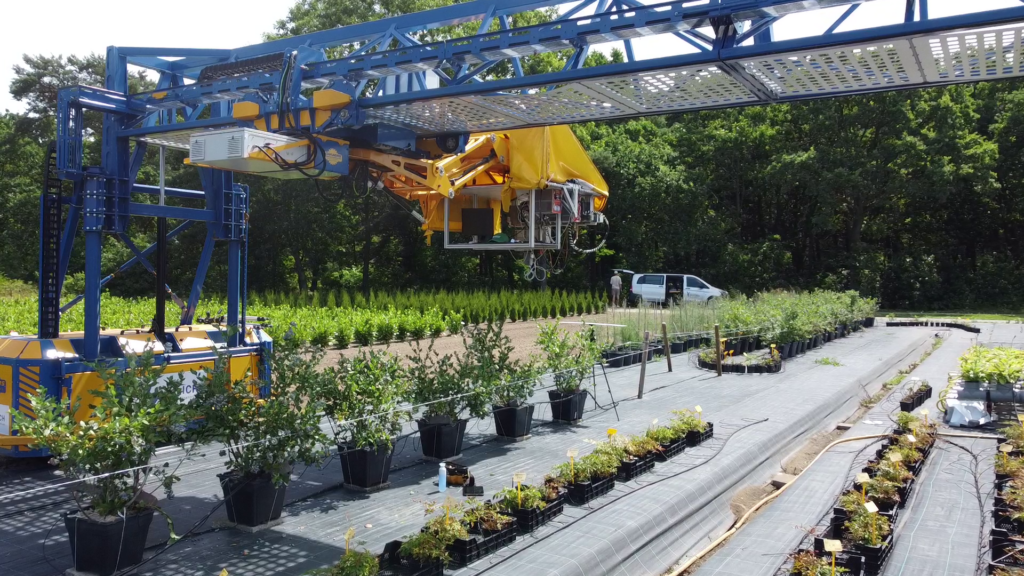
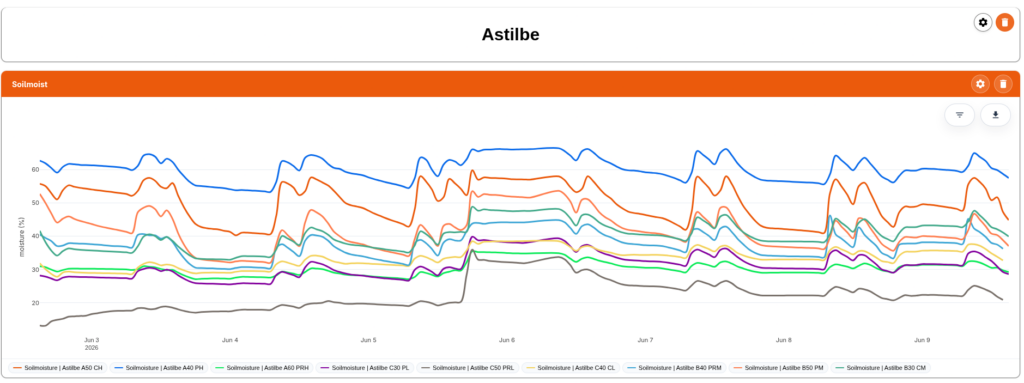
Digital technologies are opening new possibilities for irrigation management. Soil moisture sensors, weather data and plant monitoring systems can provide detailed insights into crop water requirements. By combining these information sources, growers can make more informed decisions about when and how much water should be applied.
Efficient irrigation is not only an economic issue but also an environmental one. Water resources are finite, and improving water-use efficiency contributes directly to sustainability goals. Every liter of water saved while maintaining crop performance represents a step towards more resilient production systems.
The Irristaud project contributes to this effort by developing technologies and decision-support tools that help growers optimize irrigation management. By improving understanding of plant-water interactions and supporting data-driven decisions, the project aims to strengthen both productivity and sustainability.
A second important aspect of precise irrigation, especially in horticulture, is nutrient management. Too much irrigation leads to a leakage of nutrients from the production site – with direct economic losses for the grower, and even larger societal costs, caused by high contents of plant nutrients in our water bodies. Smart irrigation is therefore not only about the water.
As climate adaptation and groundwater quality become increasingly important priorities, smart irrigation strategies will play a central role in the future of horticulture.